Electricity powers our lives, but it can also be dangerous if not handled properly. Every year, electrical hazards cause fires, shocks, and injuries in homes across Australia. The good news? You can prevent most accidents with simple safety habits.
In this guide, we’ll share the top 10 ways to keep your home safe from electrical dangers. Whether you own or rent, these tips will help protect your family. Plus, we’ll touch on how choosing the right energy plan can help. Many Aussies don’t realize that safer homes often start with reliable power—and finding the cheapest gas and electric provider can be part of that.
Now, let’s explore how to make your home safer while keeping energy costs low.
Table of Contents
Why Electrical Safety at Home Matters
We use electricity every day—for lights, cooking, heating, and entertainment. But it’s easy to forget how dangerous it can become. Faulty wiring, outdated appliances, or even a simple mistake could turn daily convenience into a serious hazard.
A loose wire might spark a fire. A damaged cord could give you a painful shock. That’s why electrical safety should always be a priority in your home. But here’s the good news: while protecting your household, you can also cut down on your energy costs.
Now’s a great time to explore and compare Energy Locals plans. Switching could help you reduce your bills without compromising your family’s safety.
Now, let’s get into the essential safety tips every homeowner should know.
1. Check Your Wiring Regularly
Old or damaged wiring is one of the biggest causes of electrical fires. If your home is over 30 years old, it’s smart to get an inspection. Watch for warning signs like flickering lights, buzzing sounds, or breakers that trip often.
A licensed electrician can spot hidden problems. Never try to fix wiring yourself—it’s not worth the risk.
2. Avoid Overloading Power Points
An excessive number of gadgets plugged into a single outlet can cause wires to overheat and catch fire. Spread out your appliances. Use power boards with surge protection instead of cheap adapters.
If you constantly need more outlets, hire an electrician to install extra ones safely.
3. Use Appliances the Right Way
Always follow the manufacturer’s instructions. Never use damaged cords or plugs. If an appliance sparks, smokes, or feels too hot, unplug it immediately.
Keep electrical items away from water. Make sure your hands are dry before handling switches, and never use a toaster close to a sink.
4. Safety Switches (RCDs) Save Lives
If safety switches (RCDs) identify a problem, they immediately shut the power. They prevent shocks and fires.
Every Australian home should have them. Test yours every few months by pressing the “test” button. Make an immediate call to an electrician if it doesn’t work.
5. Childproof Your Home
Kids are curious—they might stick things into power points or tug on cords. Use safety plugs on unused outlets. Keep cords tucked away.
Teach children basic safety, like not touching switches with wet hands.
6. Outdoor Electricity Needs Extra Care
Outdoor garden tools, lights, and extension cords are constantly exposed to harsh weather, which can lead to serious safety hazards. To stay safe, always use weatherproof covers on outdoor outlets and inspect all cords regularly for cracks or fraying. If you rely on outdoor electrical equipment often, cutting down energy expenses is smart too. One simple switch to the cheapest gas and electric provider can lower your bills without compromising safety. Don’t let high utility costs power your worries—compare rates now and make the switch today!
Never use power tools in wet conditions, and always switch off the power at the mains before doing any digging near underground cables. Remember, outdoor electricity requires extra vigilance – what saves you money shouldn’t compromise your safety.
7. Never Ignore Warning Signs
Some problems give clear warnings:
- Burning smells from outlets
- Buzzing or crackling sounds
- Lights that flicker or dim
- Outlets that feel warm
Turn off the electricity and contact an electrician right once if you see them.
8. Choose the Right Light Bulbs
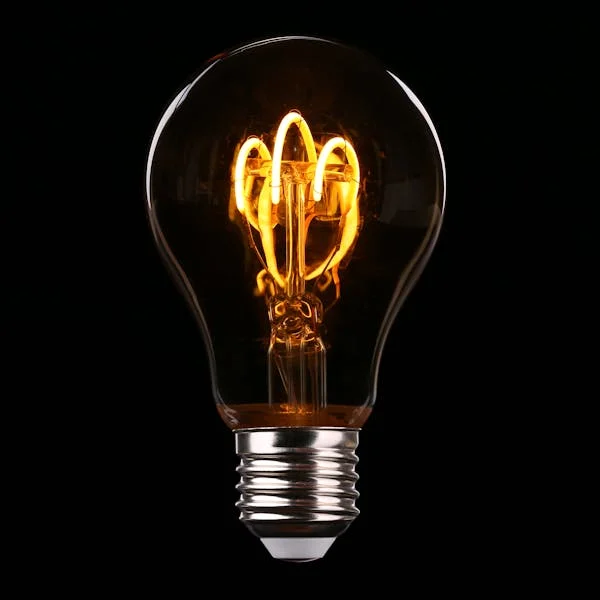
Using bulbs with too high wattage can overheat fixtures. Always check the recommended wattage. LED bulbs are safer—they run cooler and use less power, which can also help lower your bill. Speaking of bills, have you checked energy locals plans lately? You might find a better deal.
9. Unplug What You’re Not Using
Leaving devices plugged in wastes power and can be risky. Phone chargers, gaming consoles, and kitchen appliances should be unplugged when not in use. This simple habit can prevent accidents and save money.
10. Have a Fire Safety Plan
Even with precautions, emergencies happen. Install smoke alarms and test them monthly. Keep a fire extinguisher in the kitchen. Make sure everyone knows where the fuse box is and how to turn off the power.
FAQs About Home Electrical Safety
How often should I get my wiring checked?
Older homes should be inspected every 5-10 years. If you notice problems, don’t wait—call an electrician.
Can I do my own electrical repairs?
No. Always hire a licensed professional. In Australia, do-it-yourself electrical work is risky and prohibited.
What’s the easiest way to lower my power bill?
Use energy-efficient appliances and shop around. Many Australians save by switching to the cheapest gas and electric provider in their area.
Are power strips safe?
Yes, if they have surge protection. But don’t overload them—stick to one high-wattage device per strip.
How do I test my safety switch?
Press the “test” button. If it doesn’t cut power, it’s faulty and needs replacing.
Final Thoughts
Electrical safety isn’t complicated—it’s about good habits and staying alert. By following these tips, you’ll protect your home and family.
And remember, safety isn’t just about wiring and appliances. It’s also about having a reliable power supply. Compare energy locals plans right now if you want to save money. Stay safe, stay smart, and enjoy peace of mind at home!