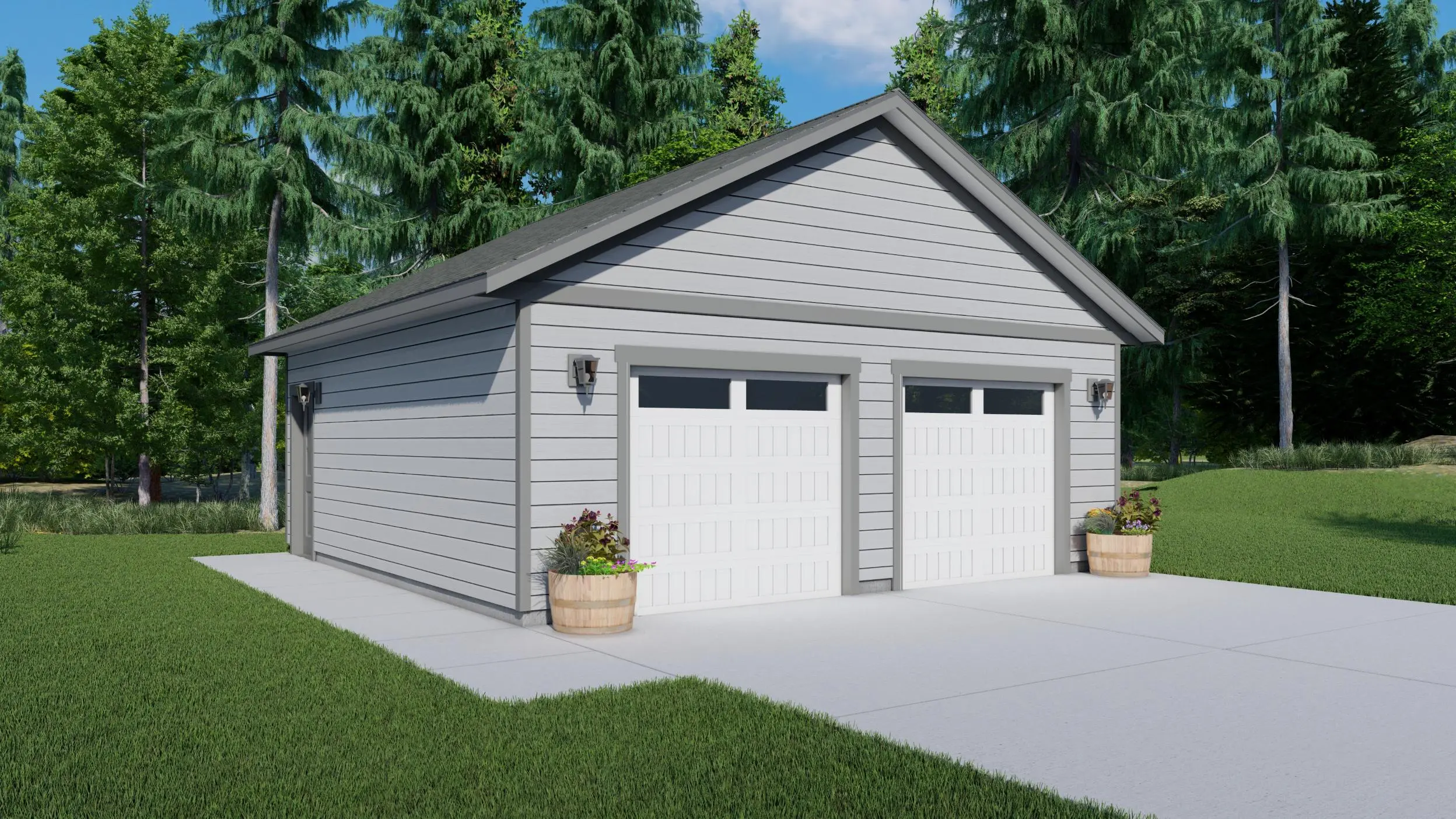
Constructing a garage is a smart investment for any homeowner. It provides protection for vehicles, additional storage, and flexible space that can be customized to your needs. Understanding the planning, costs, and materials involved is crucial to ensure a functional and long-lasting garage.
For those exploring options and budgeting effectively, the build a garage today guide on Mynex House Project offers comprehensive information on costs, materials, and practical tips for building a durable and cost-efficient garage.
Table of Contents
Why Adding a Garage Makes Sense
Protection for Vehicles
A garage shields your vehicles from harsh weather conditions like rain, snow, hail, and sun exposure. This helps maintain the car’s exterior, reduces maintenance costs, and adds security against theft and vandalism.
Flexible Space Usage
Modern garages serve more than just parking purposes. They can be adapted for:
- Workshops or hobby areas
- Storage for tools, seasonal items, or equipment
- Home office or gym space
- Creative studio for art and DIY projects
Increase Home Value
Garages are a sought-after feature for many buyers. Adding a well-designed garage can enhance your property’s resale value and make your home more appealing on the market.
Factors Affecting Garage Construction Costs
Garage Type
- Attached Garages: Cost-effective and convenient, sharing a wall with your home.
- Detached Garages: Offer flexibility and privacy but require separate foundations and utility connections, increasing the cost.
Size and Capacity
- Single-Car Garages: Compact and budget-friendly for smaller homes.
- Two-Car Garages: Standard choice for families, offering storage and workspace.
- Three-Car or Larger Garages: For multiple vehicles or larger projects, these require higher investment.
Material Selection
Material choice impacts both cost and durability:
- Wood Framing: Affordable and easy to modify.
- Steel or Metal Structures: Durable, low-maintenance, higher upfront costs.
- Concrete or Brick: Long-lasting and strong but labor-intensive.
Roofing materials such as asphalt shingles, metal sheets, or tiles, along with interior finishes like insulation, electrical wiring, and flooring, also affect total costs.
Labor and Regional Costs
Labor rates vary by location. Urban areas tend to have higher labor and permit costs, whereas rural locations may be more economical. Site preparation, building codes, and inspection fees also influence total expenses.
Utilities and Additional Features
Adding electricity, lighting, garage door openers, HVAC, and built-in storage increases overall costs. Strategic planning of these features ensures maximum functionality within budget.
Step-by-Step Process to Build a Garage
Step 1: Planning and Budgeting
Determine the number of vehicles, storage needs, workshop space, and future expansion plans. Establish a budget early to prevent unforeseen expenses.
Step 2: Site Preparation
Clear and level the site. Proper drainage and grading prevent structural issues and water damage.
Step 3: Foundation
Install a reinforced concrete slab suitable for the garage size. Foundation costs vary based on soil conditions, slab thickness, and reinforcement.
Step 4: Framing and Roofing
Construct walls, roof trusses, and sheathing. The choice of materials and labor quality significantly affects costs at this stage.
Step 5: Doors, Windows, and Utilities
Install garage doors, side doors, and windows. Add electrical wiring, lighting, and outlets. Optional features like insulation and HVAC improve comfort and usability.
Step 6: Exterior Finishing
Apply siding, roofing, paint, and trim. Common exterior materials include vinyl, wood, brick veneer, asphalt, and metal roofing.
Step 7: Inspection and Clean-Up
Ensure all permits and inspections are complete. Address any construction issues and clean the site for a polished finish.
Common Mistakes to Avoid
- Underestimating Space Needs: Plan for vehicles, storage, and potential workshop areas.
- Choosing Low-Quality Materials: May save money initially but increase future maintenance costs.
- Neglecting Ventilation: Proper airflow prevents mold and moisture buildup.
- Over-Customization: Excessive features can increase costs beyond neighborhood norms.
Cost Management Tips
- Simplify Design: Rectangular or standard layouts are cheaper than custom shapes.
- Get Multiple Quotes: Comparing contractors ensures competitive pricing.
- Use Standard Materials: Avoid unnecessary customizations that increase costs.
- Plan Ahead: Minimize changes during construction to prevent cost overruns.
- Off-Season Construction: Build when demand is lower to potentially save money.
Conclusion
Deciding to build a garage today requires careful planning, budgeting, and consideration of materials and size. Costs are influenced by garage type, labor, region, and optional features. Consulting expert resources like Mynex House Project helps homeowners make informed decisions, ensuring a garage that is functional, durable, and visually appealing.
Whether you opt for a single-car, two-car, or larger multi-car garage, thoughtful planning ensures a long-lasting space that protects your vehicles, adds storage, and enhances your property’s value.